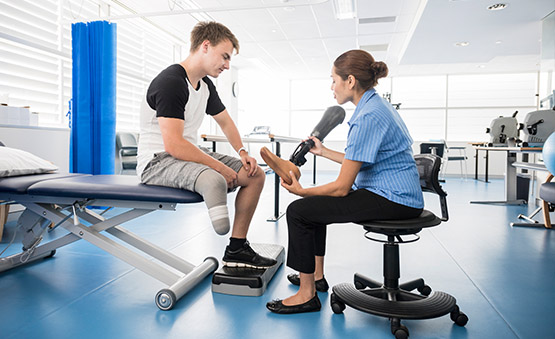
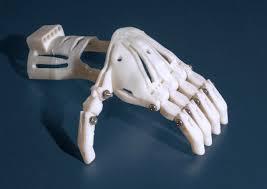
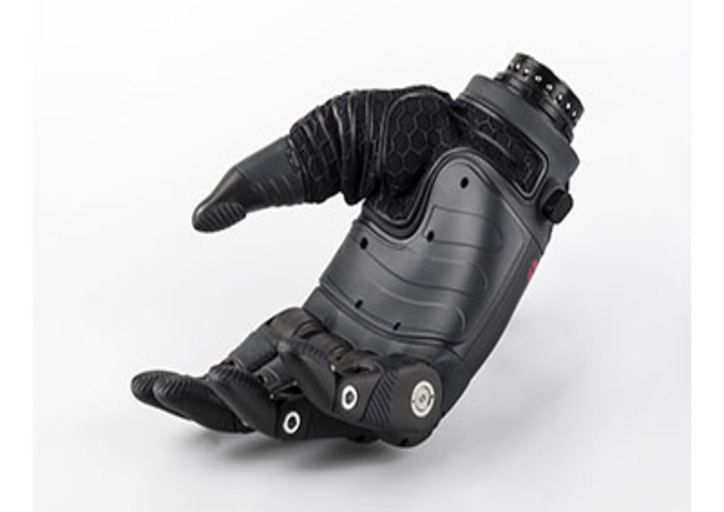
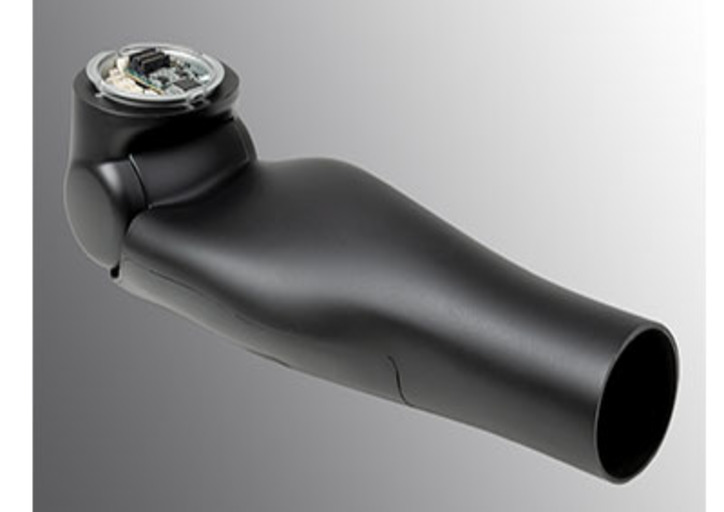
Hand amputation is typically experienced as being more devastating to body image adaptation and overall adjustment than the loss of a lower extremity. This is because arms and hands are integral to activities of daily living, occupational functioning, and leisure activities. The loss of a hand or an arm is also more difficult to camouflage compared to the loss of a lower extremity.However, prosthetic fitting can take place early after the injury, and controlling the prosthesis especially for below-elbow amputees is mostly intuitive and easy to learn in an adequate rehabilitation setting.There are 3 basic types of prostheses:
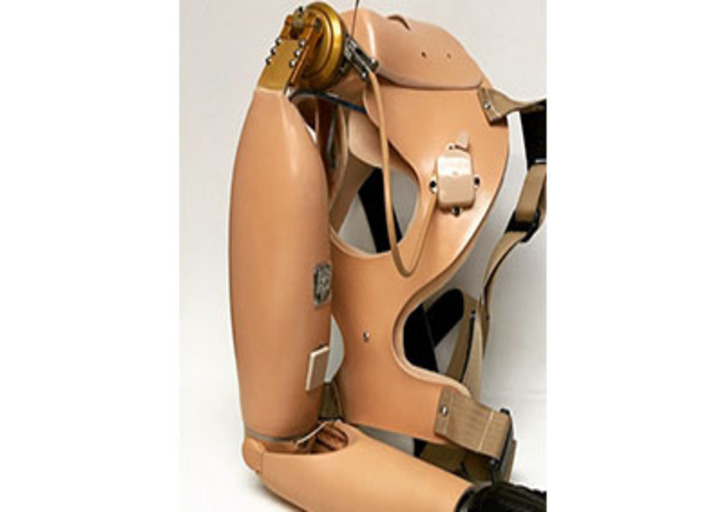
With the addition of a shoulder joint, this level incorporates all the components of a Transhumeral level. Body-powered, external powered (including myoelectric), oppositional and activity specific devices can be fit under certain patient characteristics. External powered controls or a hybrid of controls often provide better functional results at these high amputation levels. Experience and expertise in fitting and attaining appropriate function are key elements for positive results. Suspension is achieved by a harness system.
The primary function of the elbow joint is to flex and extend the arm. There are a wide variety of choices in components for the elbow. The choices are dependent on what the wearer’s ultimate goals are. The emphasis can be on function, on cosmetics, or a combination of both. Incorporates either a passive, cable operated, or external powered elbow to assist with positioning of the terminal device. Requires more body motion for control of cable operated devices than the transradial level, therefore some patients may require an external powered terminal device for optimum function.
Dr. S. Radika Sajja
G.Bharani Vishnu